Refurbishment of 2 Grade II Listed NHS Buildings
Heritage Restoration with Modern Design
Creating a Contemporary Mental Health Facility
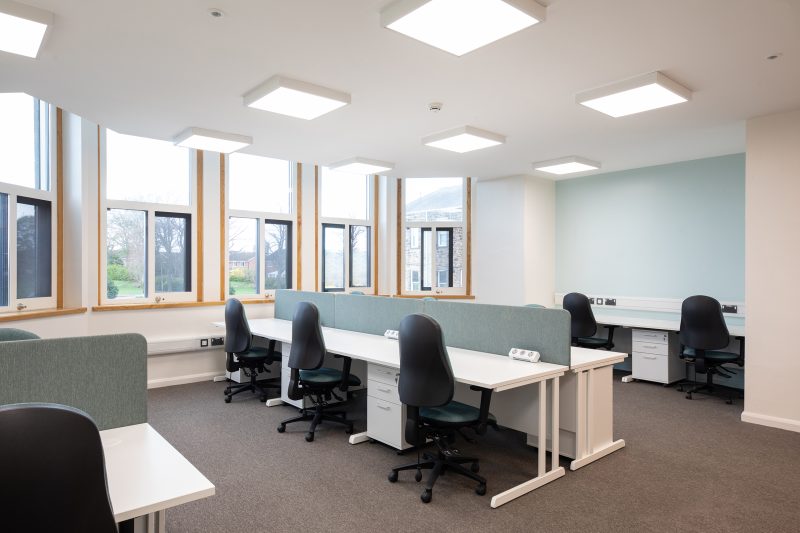
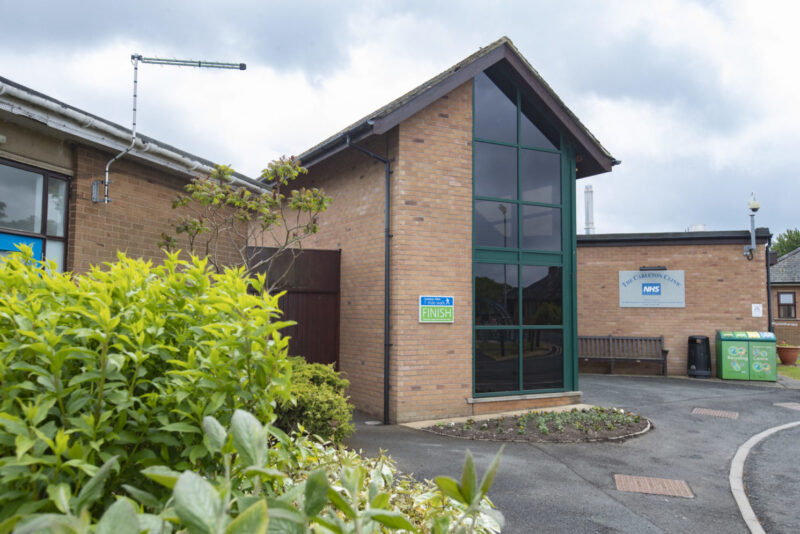
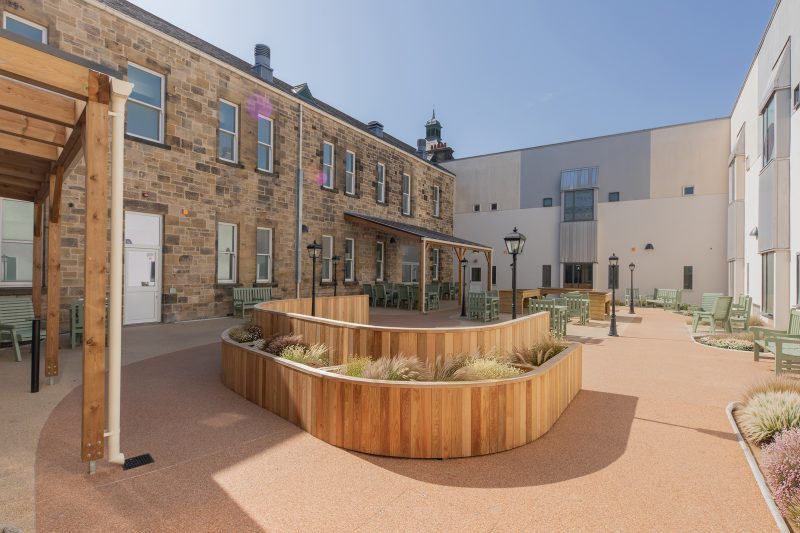
Aptus was appointed on a two-stage basis to deliver the strip-out and refurbishment of the Grade II listed Bede and Alnwood buildings at St Nicholas Hospital, creating a 40,000 sqft modern facility for Older People’s Services.
Working closely with the client, clinical teams and design consultants, the project carefully balanced heritage restoration with complex upgrades within an operation healthcare estate.
- Client: NHS NTW Solutions
- Building: Alnwood and Bede
- Area: St Nicholas' Hospital
- Value: £7.9m
- Programme: 59 Week Build
- Status: Completed
The programme relied on:
– Early collaboration and value engineering through a two-stage PCSA approach.
– Careful planning and phased delivery within an operational education estate.
– Close coordination with clinical teams, consultants and specialist subcontractors.
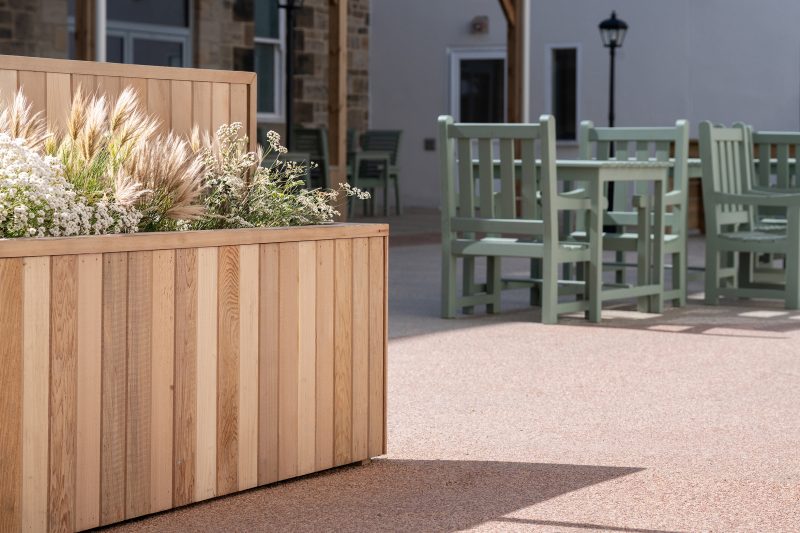
– Sensitive refurbishment balancing heritage restoration with modern dementia-focused care.
Facility Upgrades
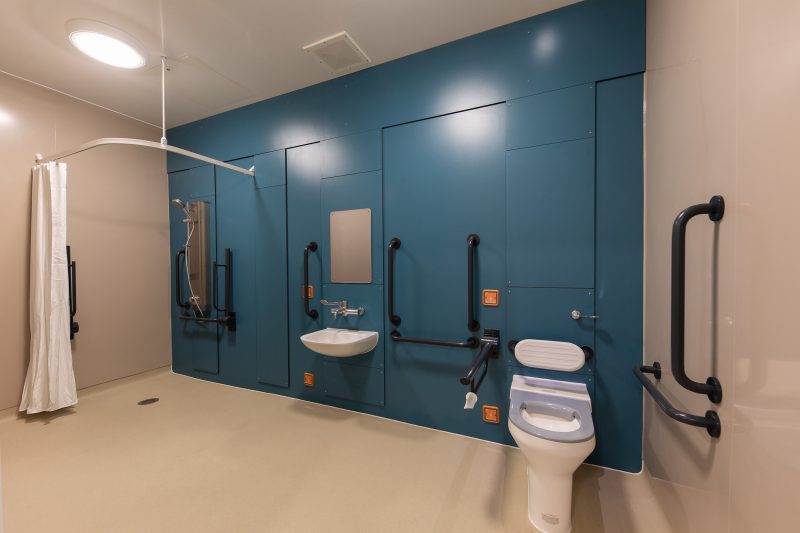
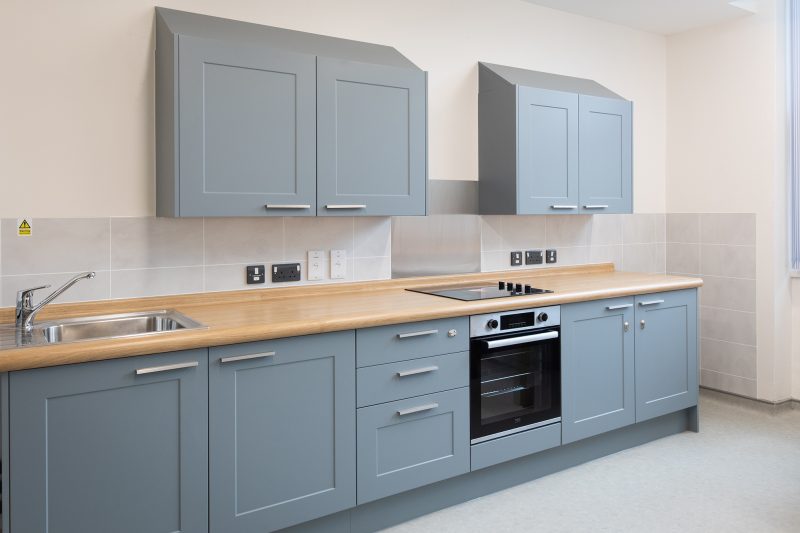
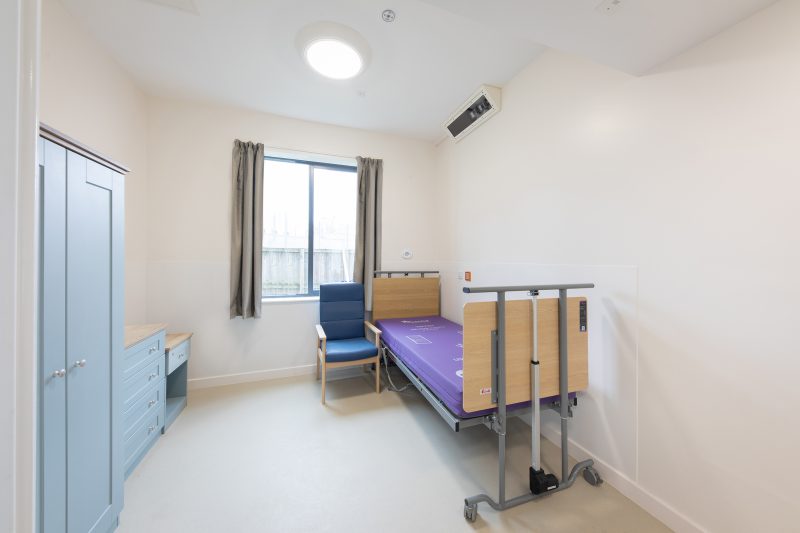
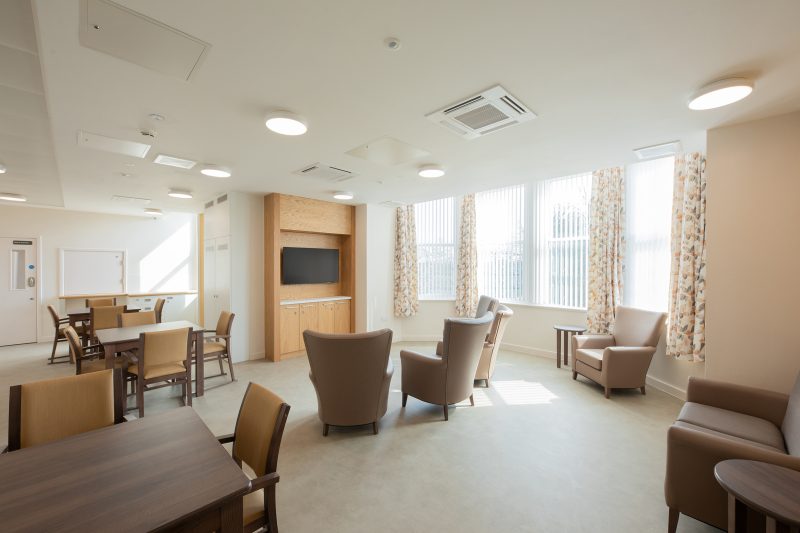
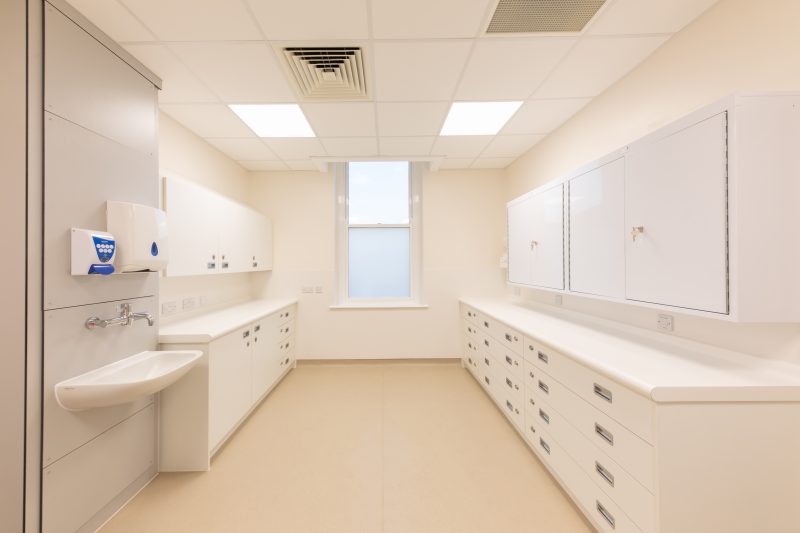
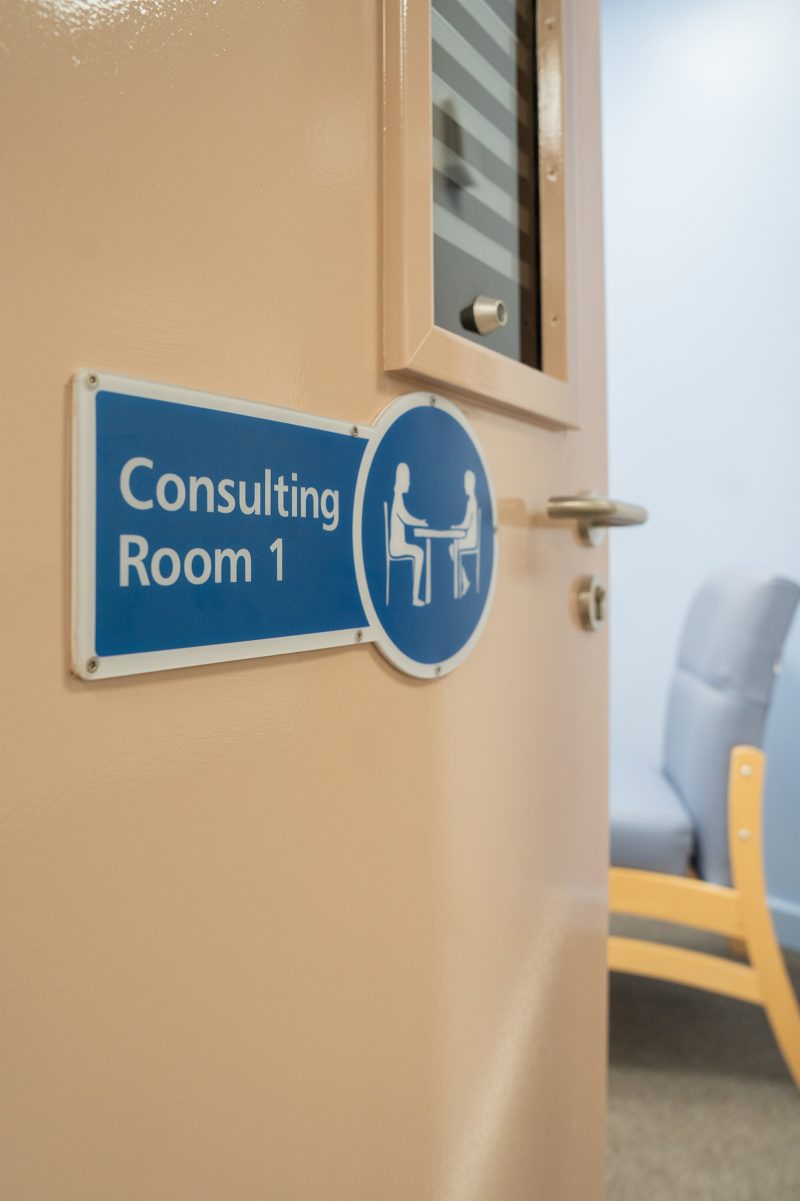
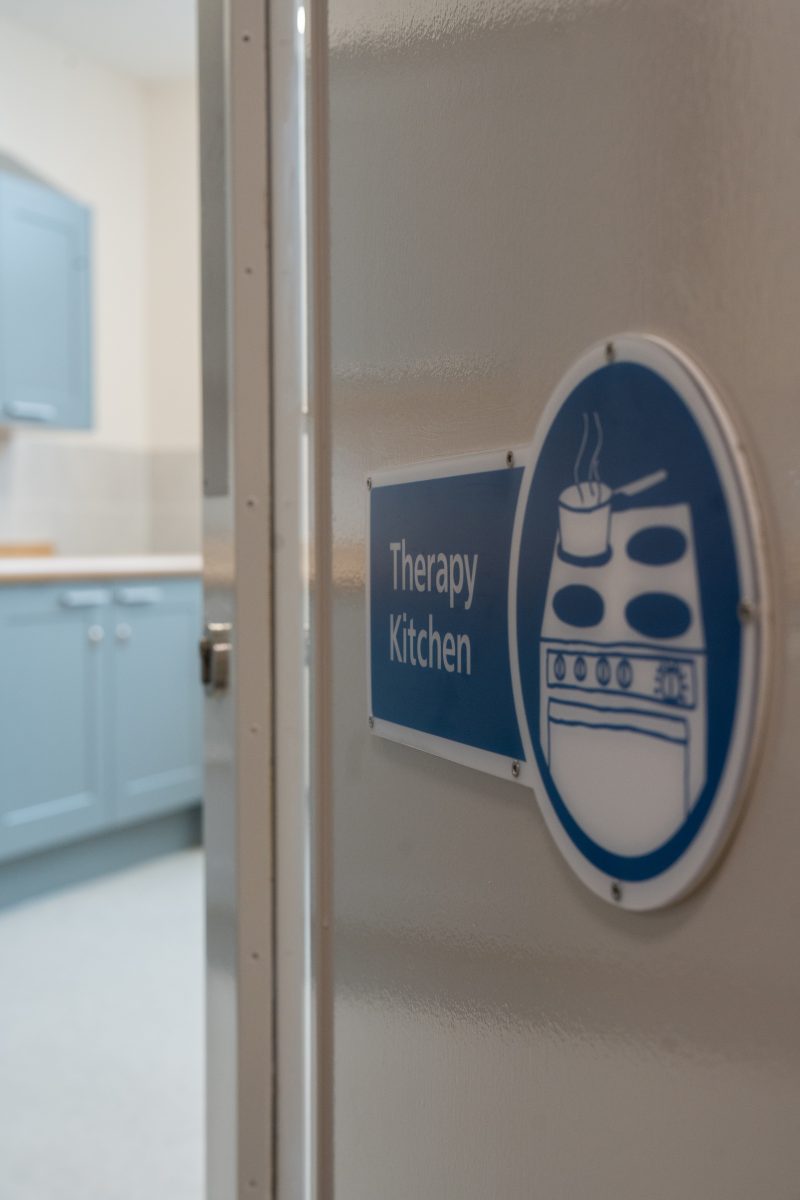
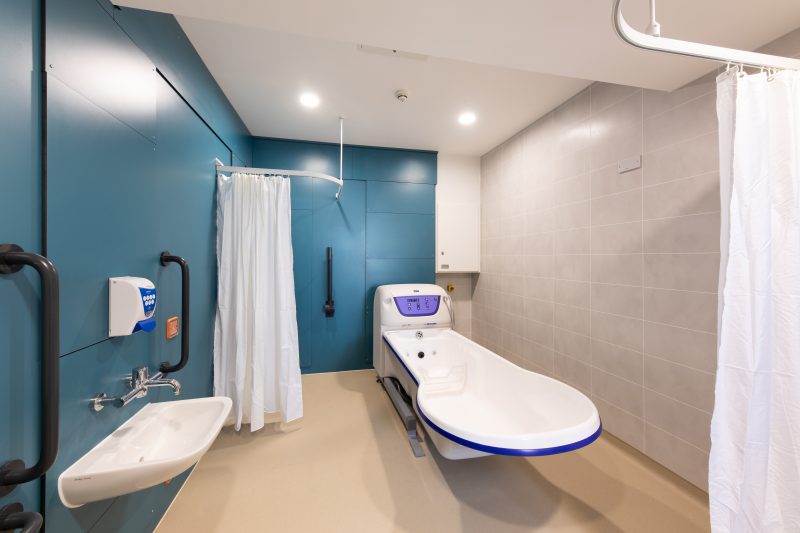
Working closely with the Trust’s team, the brief centred on transforming existing spaces into modern, therapeutic environments that feel calm, familiar and safe, while supporting clinical care and operational efficiency. The refurbishment delivered two key facilities, a Section 136 mental health assessment suite and a Newcastle Older People’s Services (NOPS) dementia care environment, each carefully designed around patient needs, dignity and wellbeing.
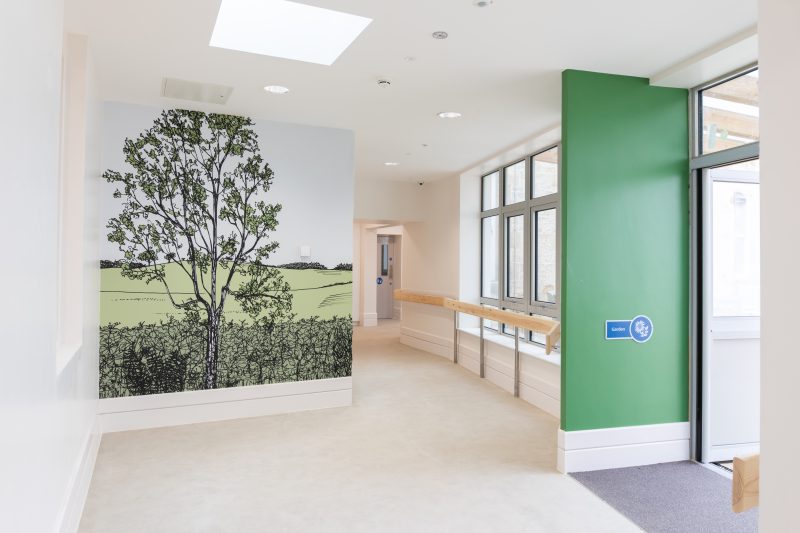
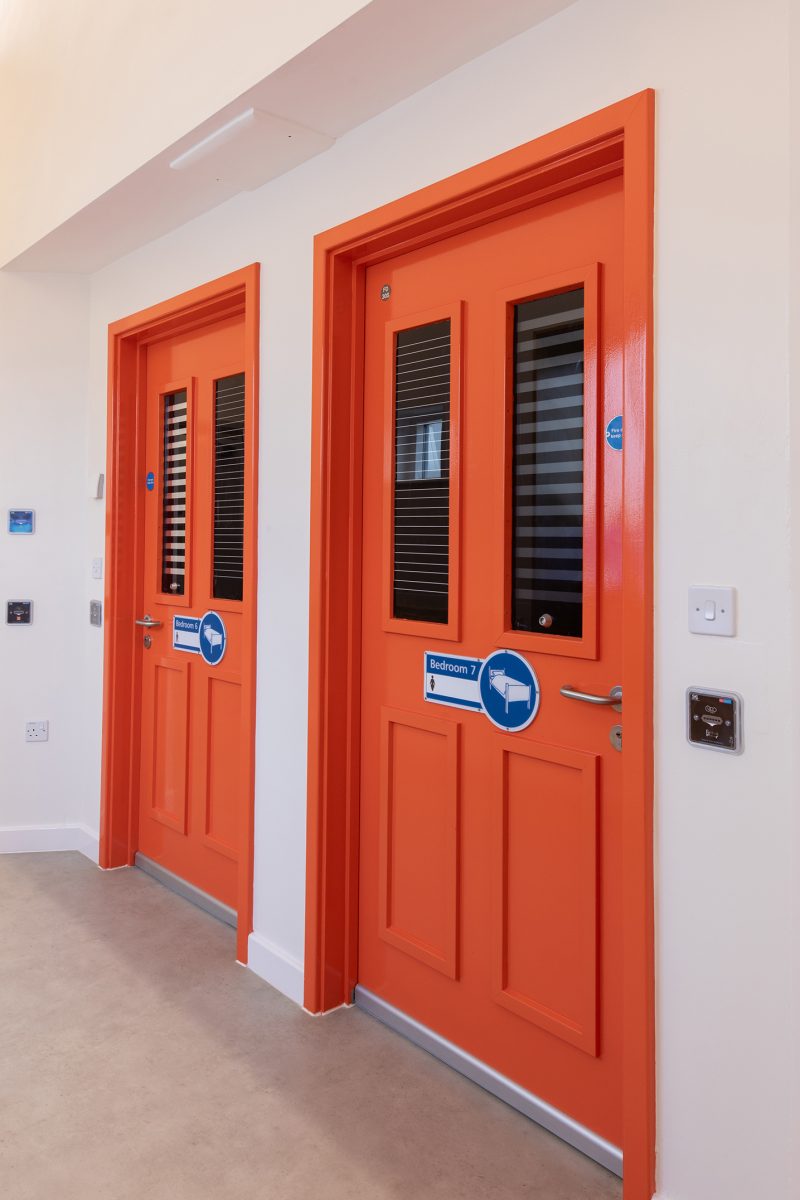
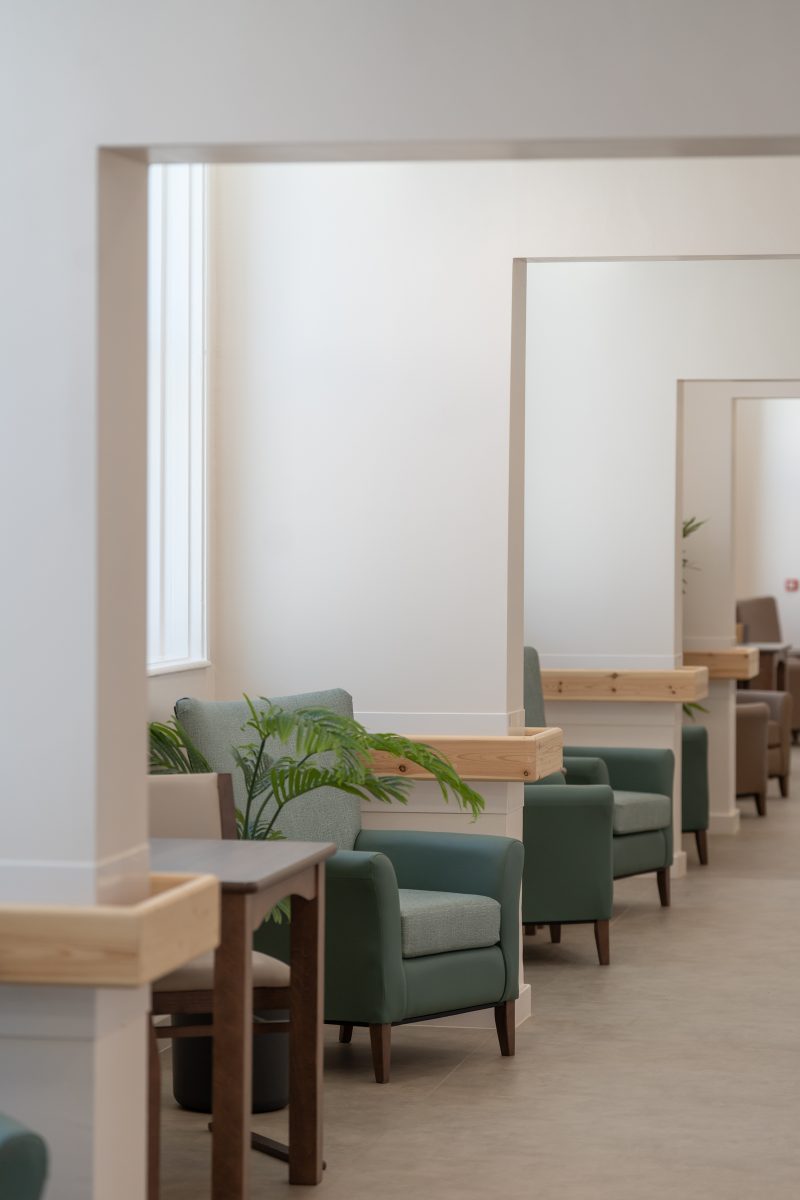
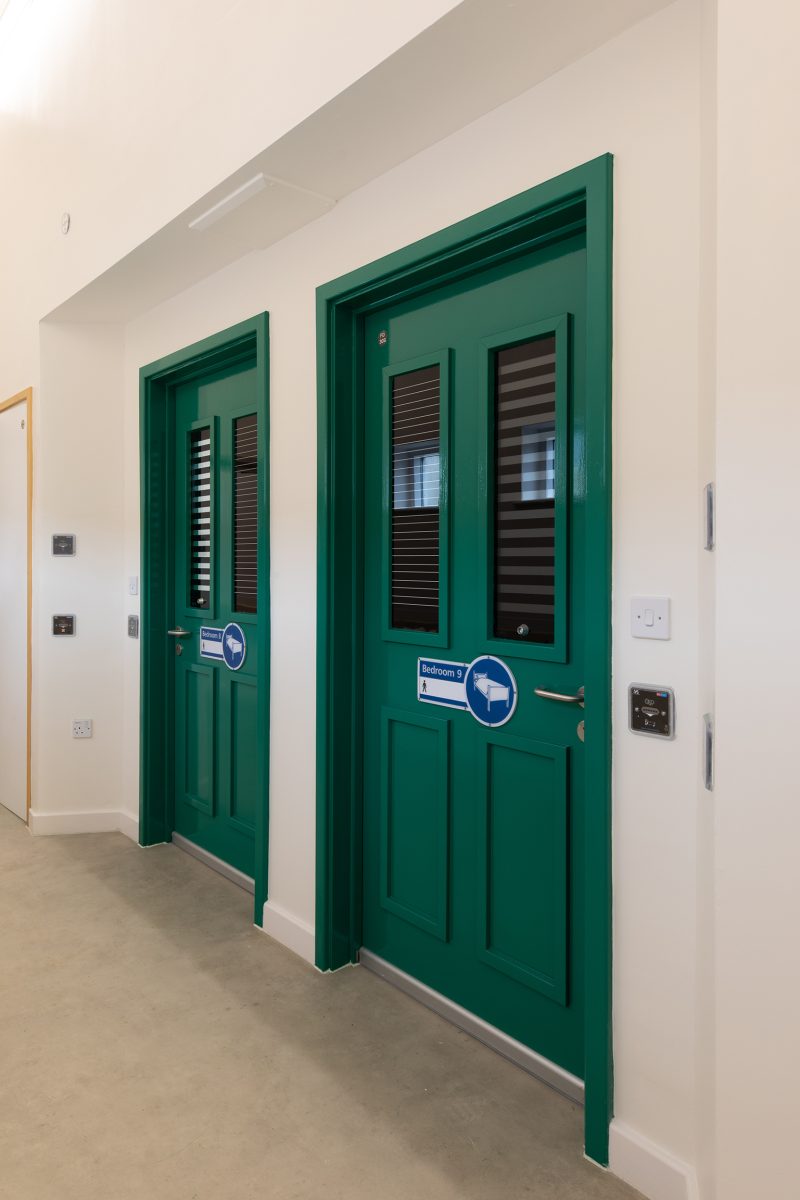
Within the dementia care setting, the environment was shaped to feel more like home than an institution. Colour palettes were chosen to reflect the generation of residents, supporting familiarity and recognition, while personalised memory boxes outside bedrooms help patients connect with their identity and surroundings. Layouts were designed around circular patient flow, allowing intuitive movement through spaces without dead ends, reducing anxiety and supporting independence. Calm, welcoming interiors and clear visual cues create a reassuring environment for patients, while also supporting staff in delivering compassionate care.
Programme and delivery
- The programme was carefully phased and coordinated within an operational healthcare estate, ensuring critical healthcare services remained fully operational while refurbishment works progressed safely across both listed buildings.
- Close collaboration between Aptus, the Trust, clinical stakeholders and the wider design team enabled efficient decision-making, value engineering and the successful delivery of modern dementia-focused facilities within strict programme and funding parameters.
Social Value Outcomes
Social value was embedded from the outset, with a bespoke delivery plan developed in alignment with the Trust’s objectives, NHS social value priorities and PAGABO framework requirements. The approach focused on delivering measurable economic, social and environmental outcomes alongside the refurbishment works, including collaboration with the NTW SHINE Fund to support initiatives benefiting patients, carers and the wider community.
-£5.5m social value delivered, achieving a 71% Social Value Return on Investment (SVROI), significantly exceeding the PAGABO framework target of 10%.
-£4.2m local SME spend achieved, more than doubling the original £2m target and supporting the regional economy.
-Local employment opportunities created through the appointment of project team members from the surrounding area.
-132 hours of student work experience and site engagement delivered in partnership with South Tyneside College, supporting over 40 T Level electrical students.
-Collaboration with the NTW SHINE Fund through sponsorship of the CNTW Christmas Charity Concert, supporting patients, carers and community wellbeing initiatives.
-Sustainability embedded throughout delivery, with a strong focus on diverting construction waste from landfill in line with NTW’s Green Plan.
Outcome
The refurbishment delivered a modern fit-for-purpose 40,000 sqft mental health facility, creating improved environments for Older People’s Services while enhancing both patient wellbeing and staff experience.
Through sensitive restoration and modernisation, the project successfully preserved the character of the Grade II listed buildings while achieving contemporary NHS standards for accessibility, safety and dementia-focused care.